Air quality
Professional Indoor Air Quality Assessments
Investigate concerns involving airborne particles, odors, ventilation, humidity, moisture, and other conditions that may affect the indoor environment.
Approach
Indoor air concerns rarely have a single explanation
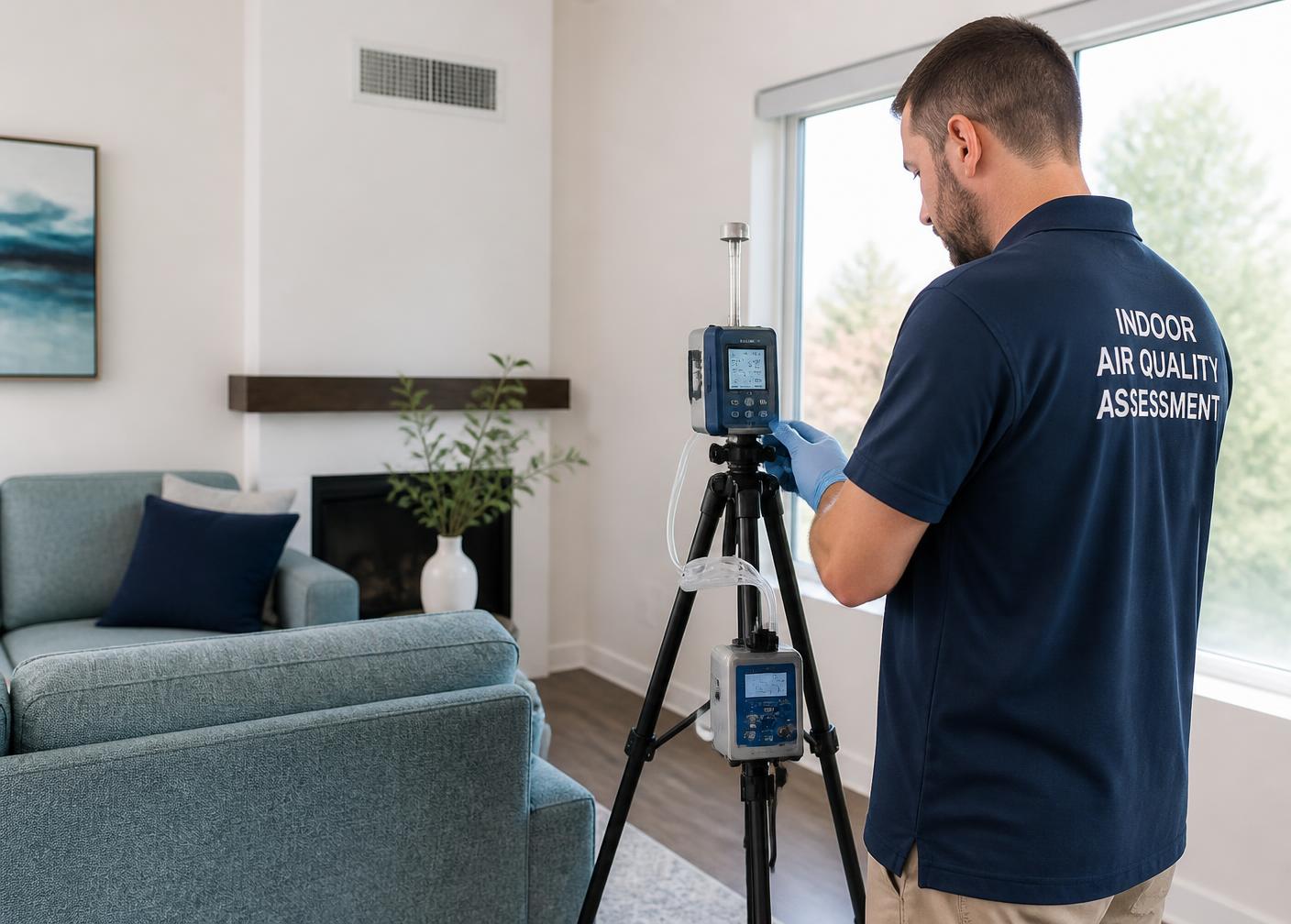
Air inside a building reflects everything around it: the materials, the moisture conditions, the ventilation, the activities taking place, and the outdoor environment. A responsible assessment therefore begins by understanding the property, the concerns reported by occupants, the building history, ventilation, moisture conditions, odors, and any potential contaminants.
Only then can we determine which measurements or samples would be meaningful. Scope follows the question being asked — not a fixed test list.
Potential areas of investigation
- Airborne particulates
- Mold spores
- Humidity and moisture
- Ventilation concerns
- Unusual or persistent odors
- Volatile organic compounds, when appropriate
- Conditions following water damage
- Post-remediation verification
- General indoor environmental concerns
Site owner note: keep this list limited to services the firm actually provides.
Intake
What we establish before any sampling
The first part of the assessment is investigative. These inputs determine whether sampling is warranted and, if so, what kind.
- Property
- Construction era, layout, mechanical systems, and recent alterations.
- Occupancy concerns
- What is being noticed, where, by whom, and under what conditions.
- Building history
- Water events, renovations, storage, prior remediation, and maintenance.
- Ventilation
- Outdoor air supply, exhaust, filtration, and distribution.
- Moisture conditions
- Relative humidity, condensation, and moisture in materials.
- Odors and sources
- Character, timing, and location of odors, and possible contributing sources.
Capabilities
Equipment, methods, and laboratory relationships
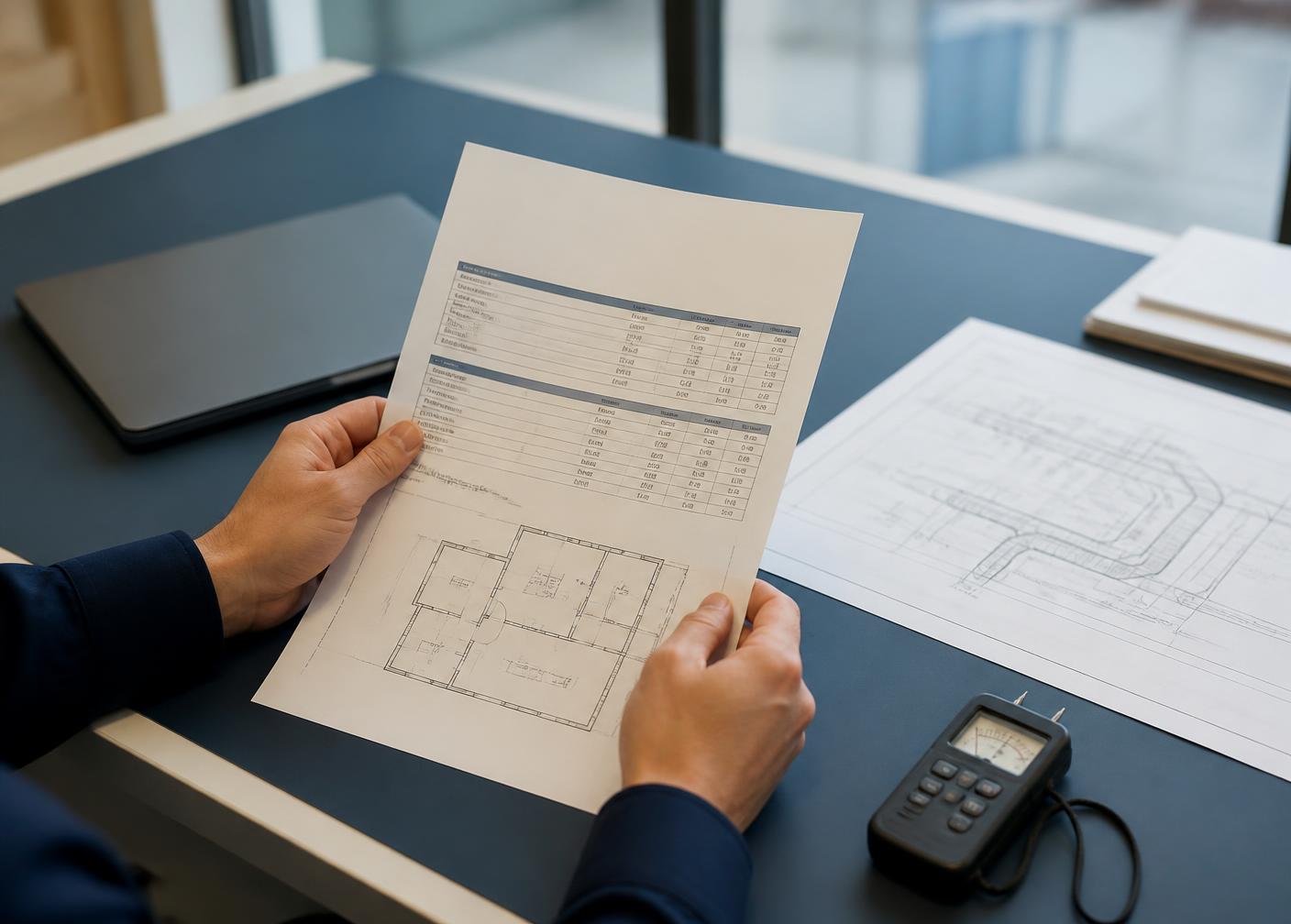
The fields below are maintained by the firm. Each should list only capabilities actually provided; unconfirmed entries remain placeholders.
- Field instrumentation
- [Editable — instruments used]
- Sampling methods
- [Editable — sampling methods offered]
- Analytes and parameters
- [Editable — contaminants and parameters]
- Laboratory relationships
- [Editable — analytical laboratories used]
Questions
Indoor air quality FAQ
Health concerns
Environmental testing does not diagnose medical conditions. It describes conditions and materials observed in a building at the time of the assessment. Visitors with health concerns should consult an appropriate healthcare professional.
Next step
Request an indoor air quality assessment
Tell us about the property and what prompted your concern. We will confirm the appropriate scope of inspection and sampling before any work begins.